On the Ground in Bhutan: Designing Wayfinding for Gelephu Mindfulness City
Some projects ask you to understand a place from drawings. Others require you to experience it firsthand.
Square Peg Design has now made two visits to Bhutan as part of our ongoing work on Gelephu Mindfulness City (GMC), bringing our team together on the ground with the client, design teams and local stakeholders to develop the city’s approach to signage, wayfinding and the public realm. Through workshops, site visits and conversations, we are helping shape an approach to signage and wayfinding that responds to the city’s extraordinary scale while remaining deeply connected to its place and people.
For a project as ambitious as GMC, the questions at the heart of wayfinding are remarkably human: How will people understand where they are? How will they find their way? What will help them build a mental map of a city still taking shape? And how can the experience of navigating it feel distinctly rooted in Bhutan?Answering those questions requires more than designing signs. It means understanding how people will move through the city, how destinations and landmarks relate to one another, and how Bhutan’s landscape, architecture, materials, colors and visual culture can inform a wayfinding system that feels like it belongs.
That work starts with being there.
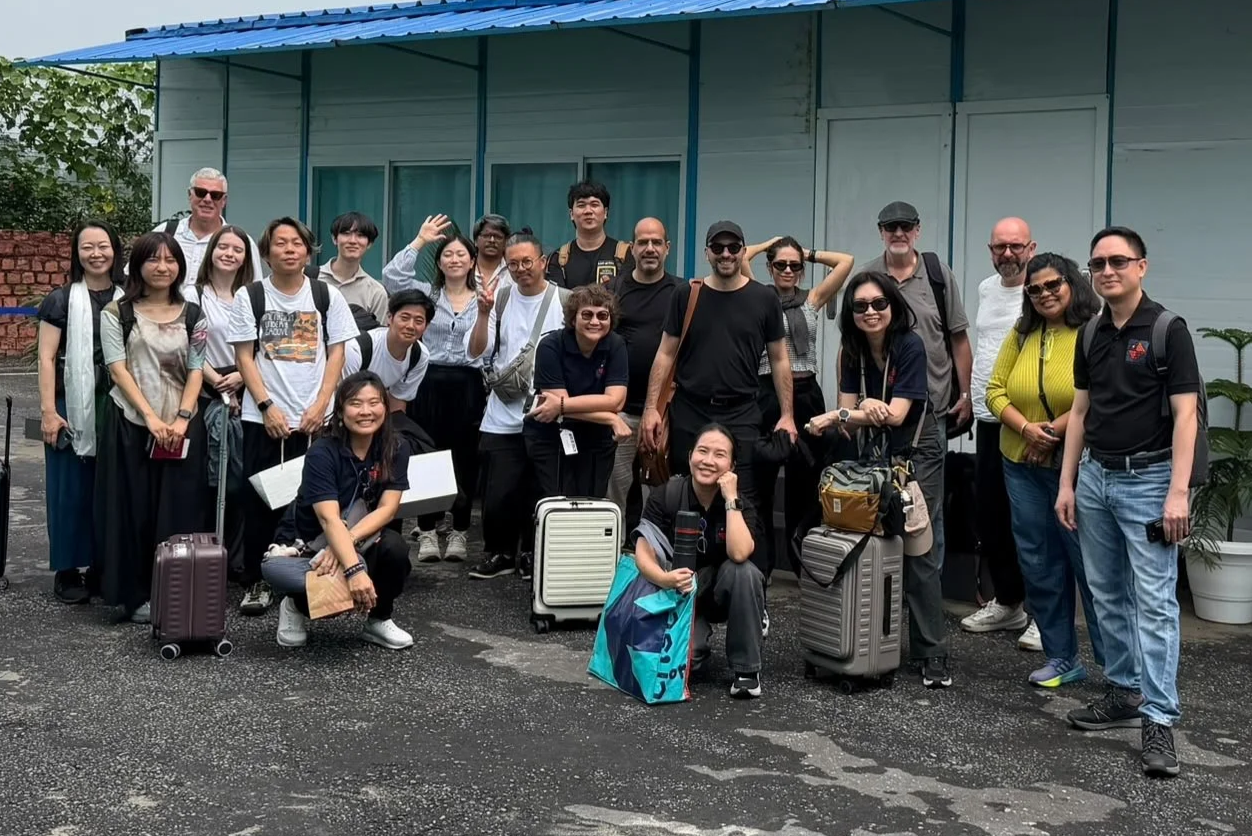
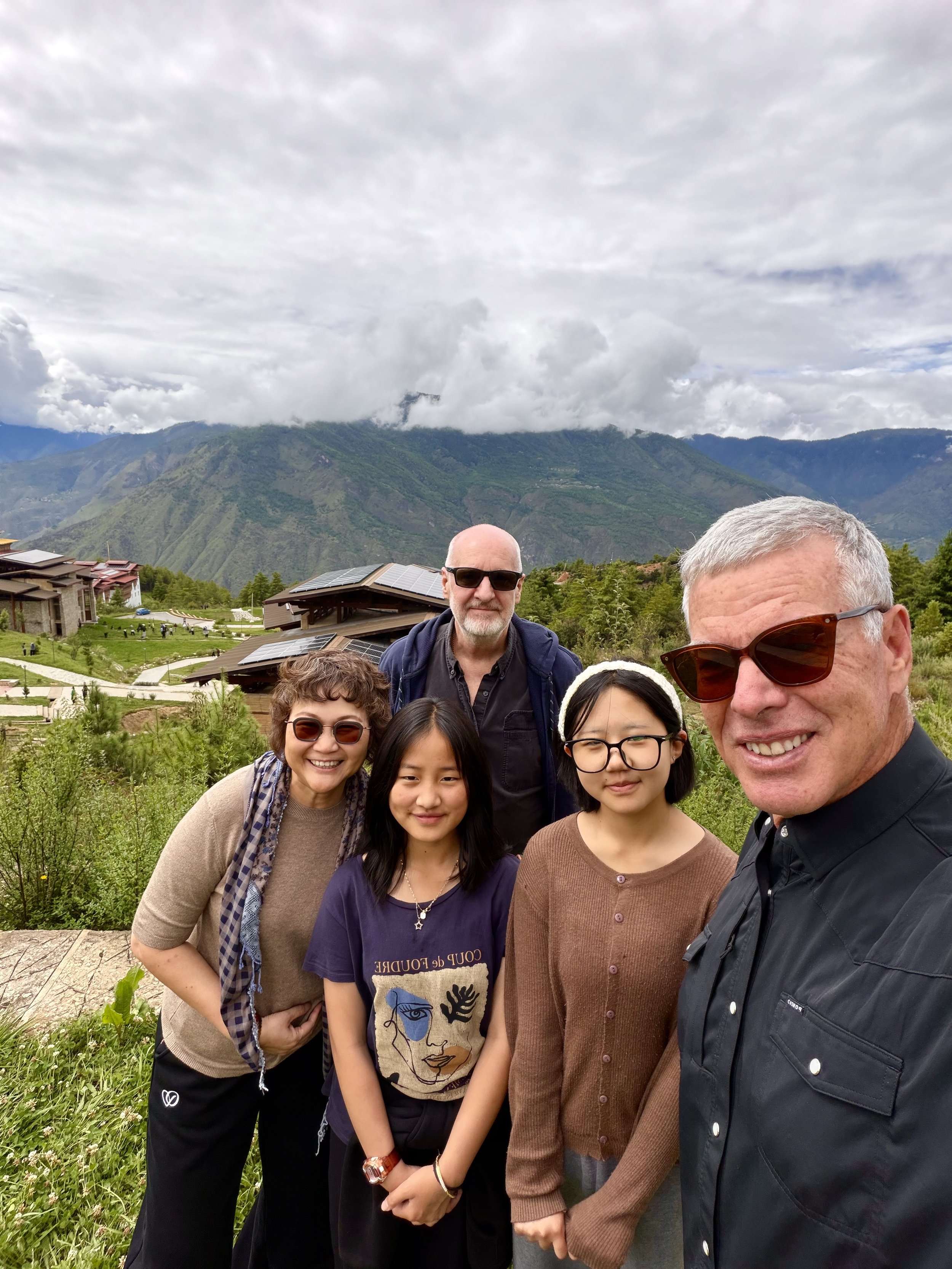
The project team together in Bhutan during our recent visit.
Designing Through Collaboration
Our recent visit brought the wider project team together for an intensive series of workshops, design reviews and working sessions. Around the table were specialists from across disciplines and countries, looking collectively at how people will move through and experience GMC.
For Square Peg, these sessions were an opportunity to test the wayfinding strategy against the evolving master plan, discuss destinations and movement patterns, and continue developing an approach to signage that works as part of the larger public realm rather than as a layer added later.
Just as importantly, being together in person allowed ideas to be sketched, challenged and refined in real time.
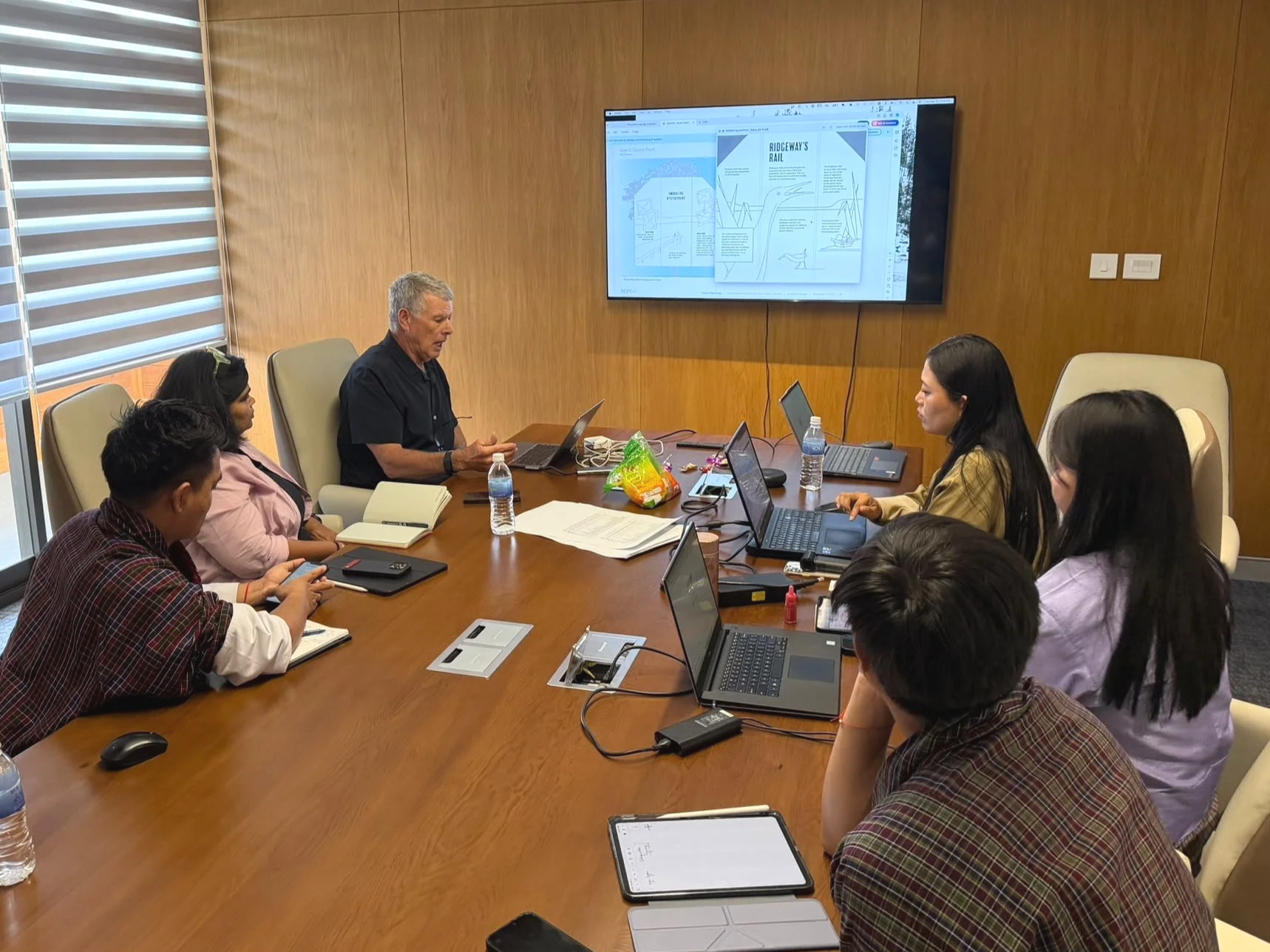
Mike and Sur discussing the interpretive signage with the GMC team
Understanding Place, in Place
The work did not stay in the meeting room.
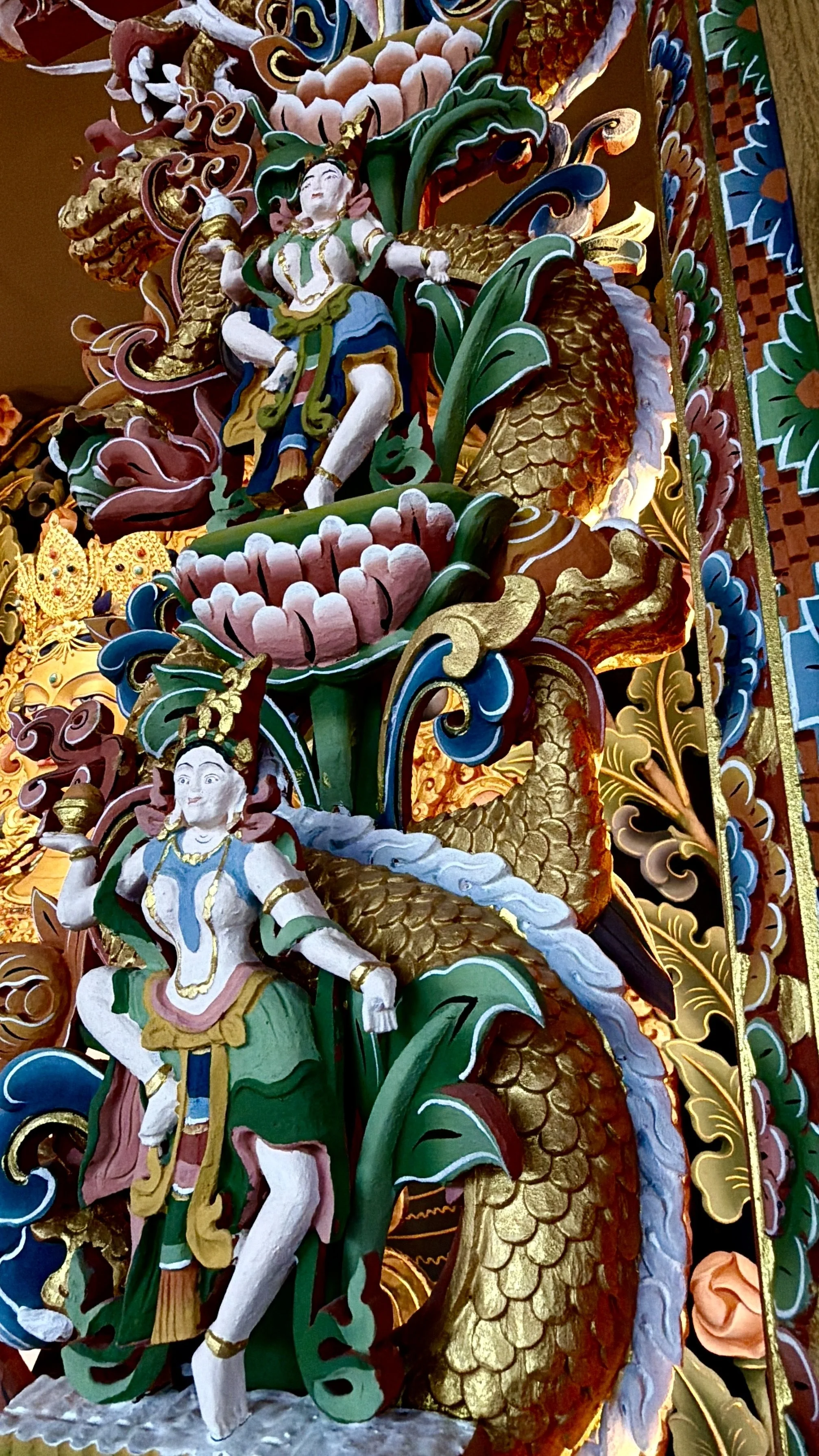
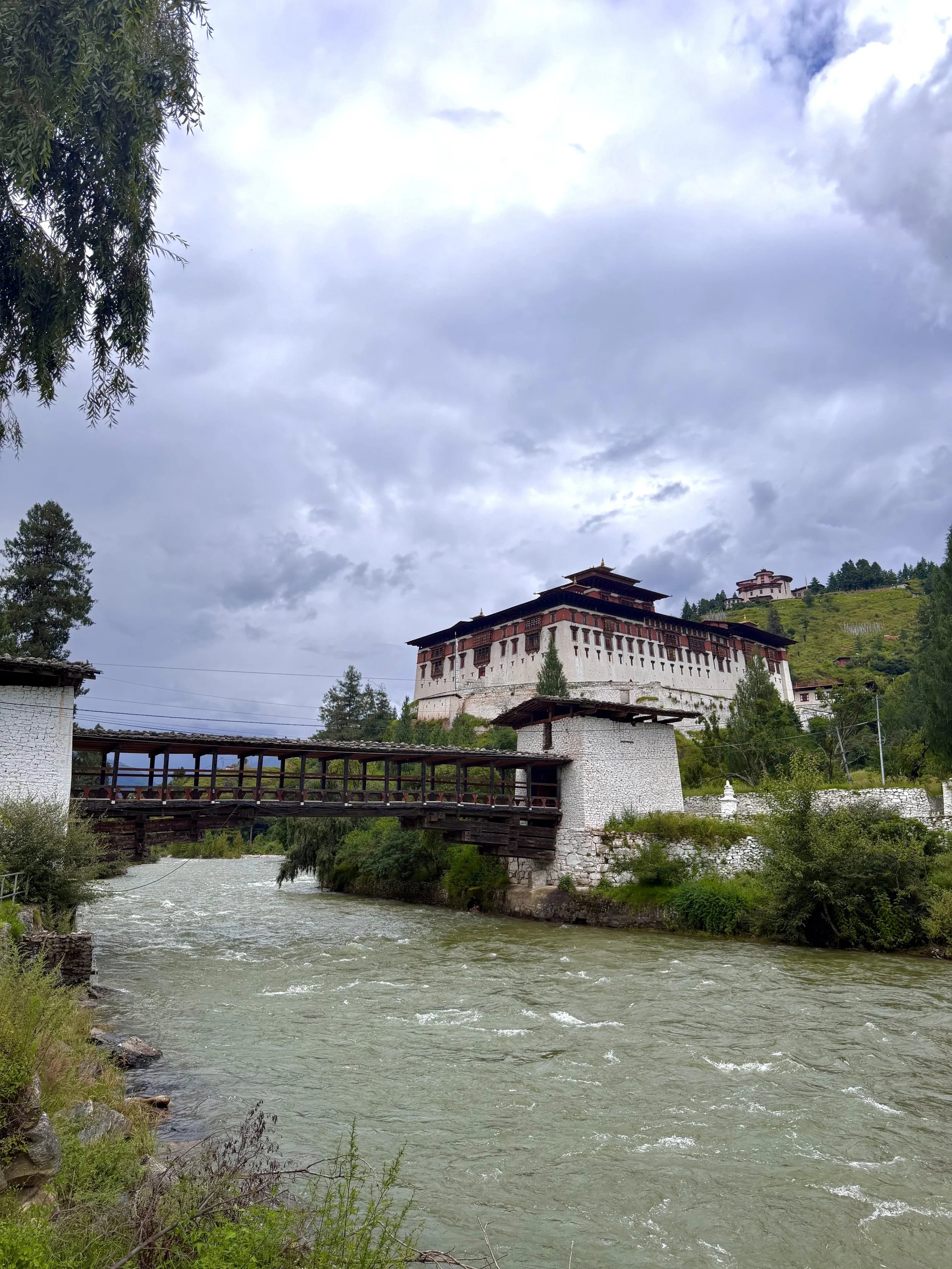
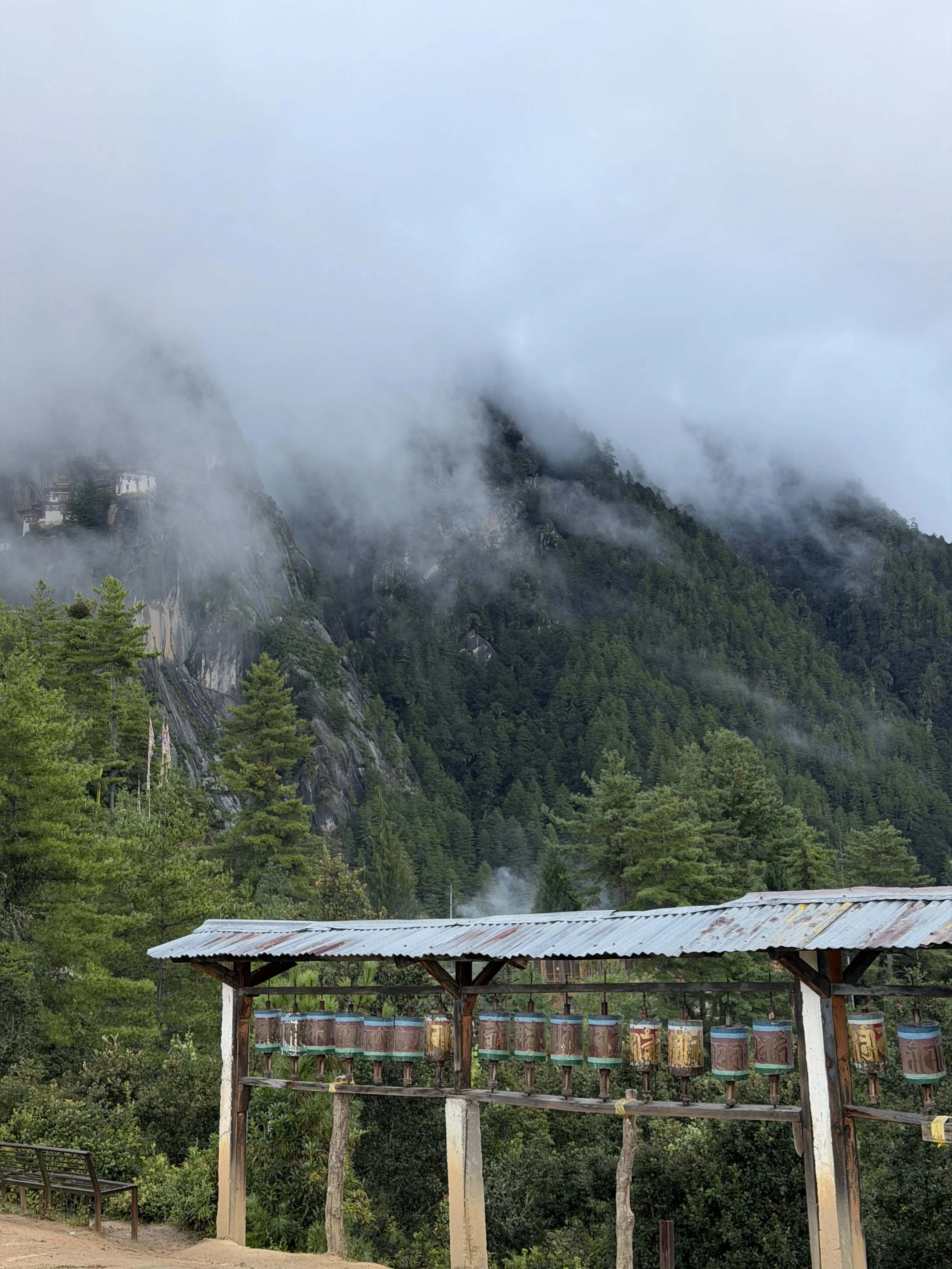
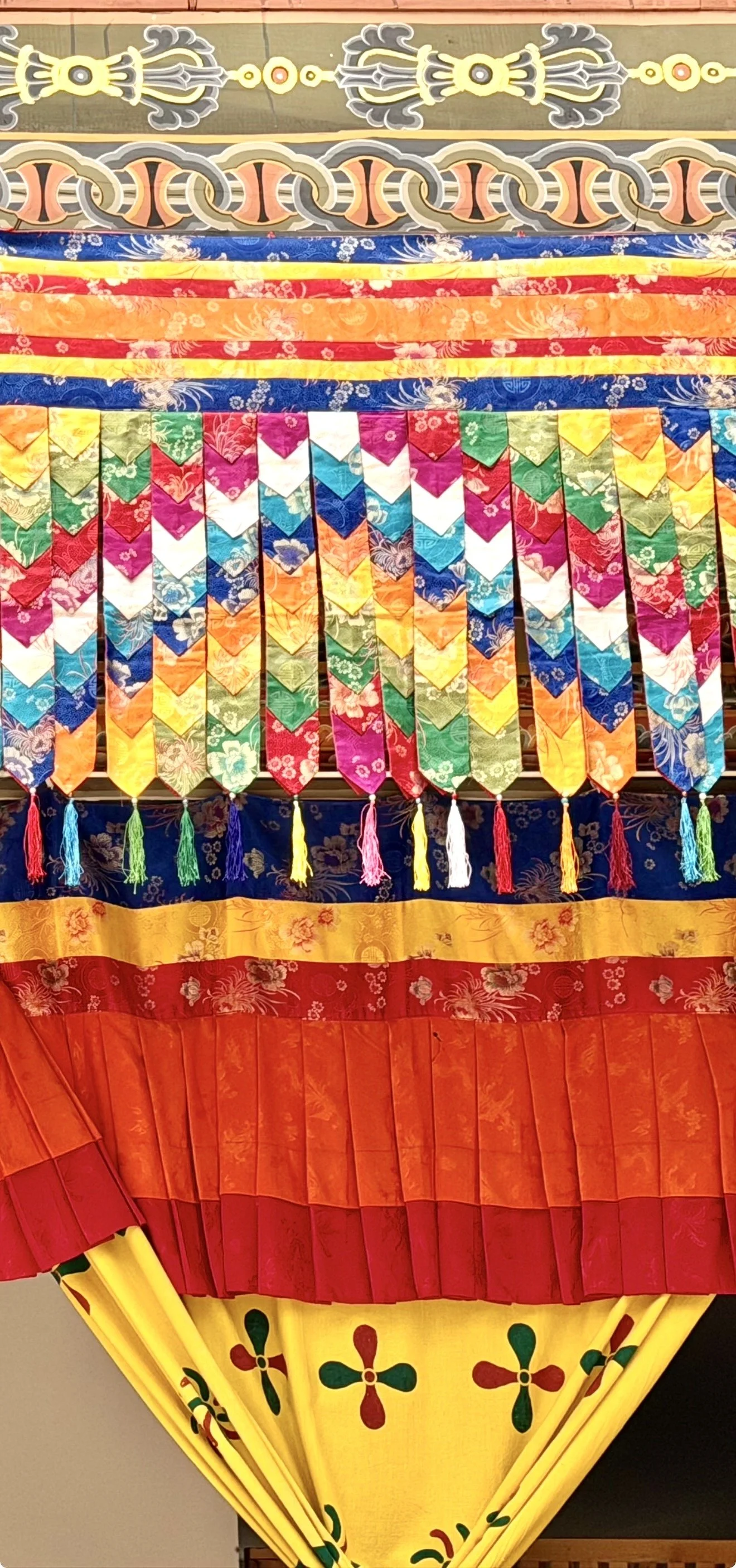
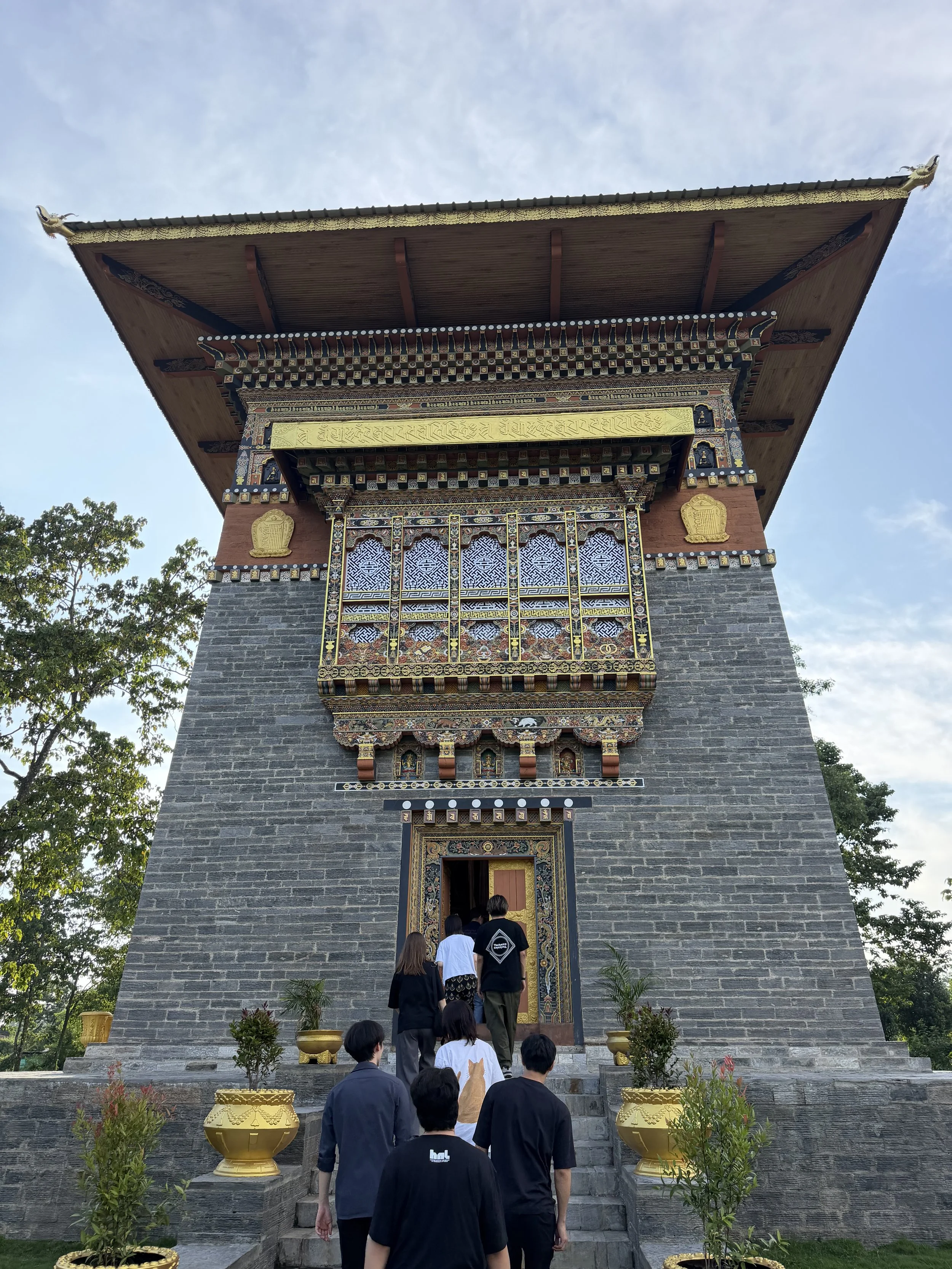
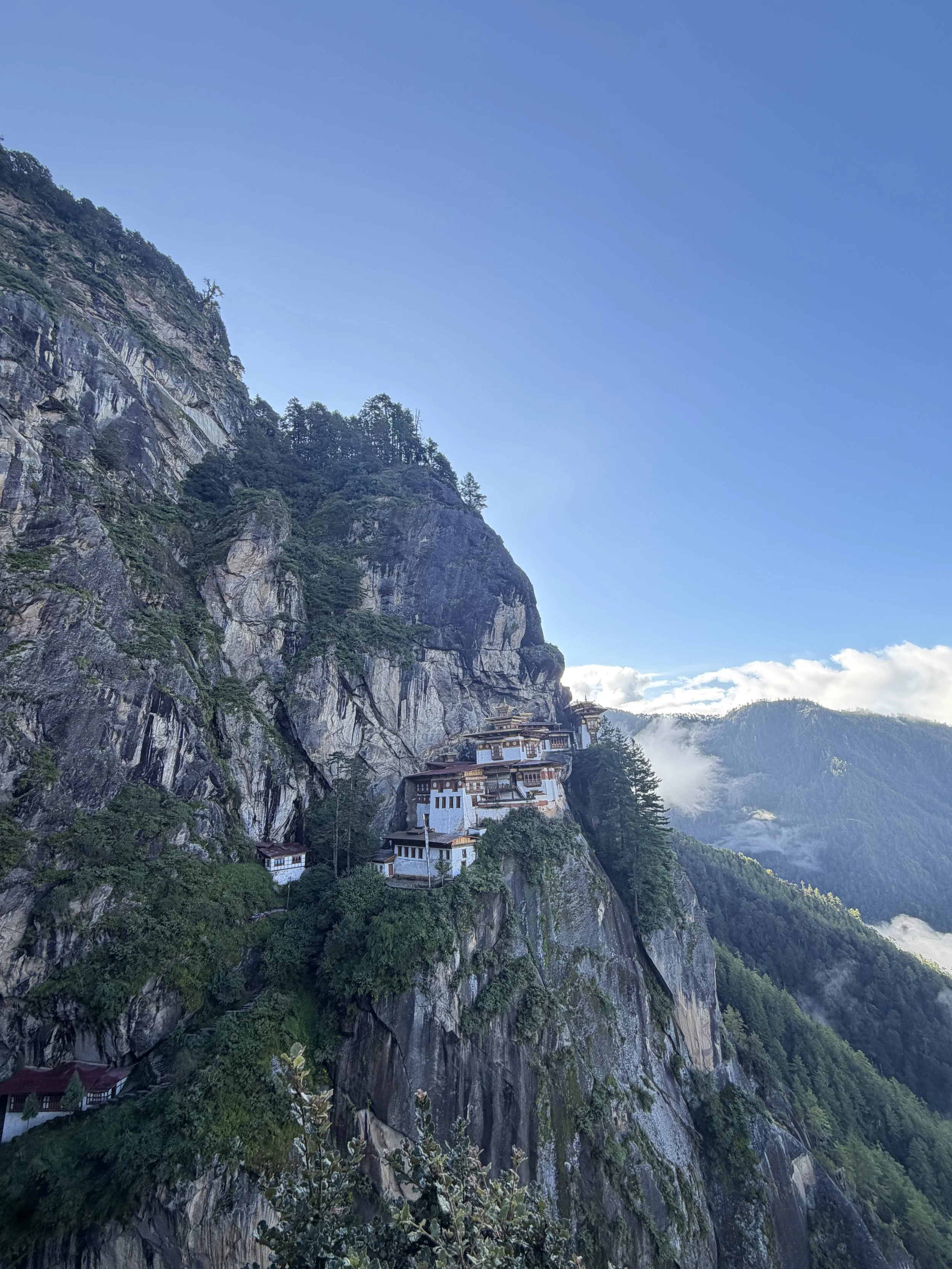
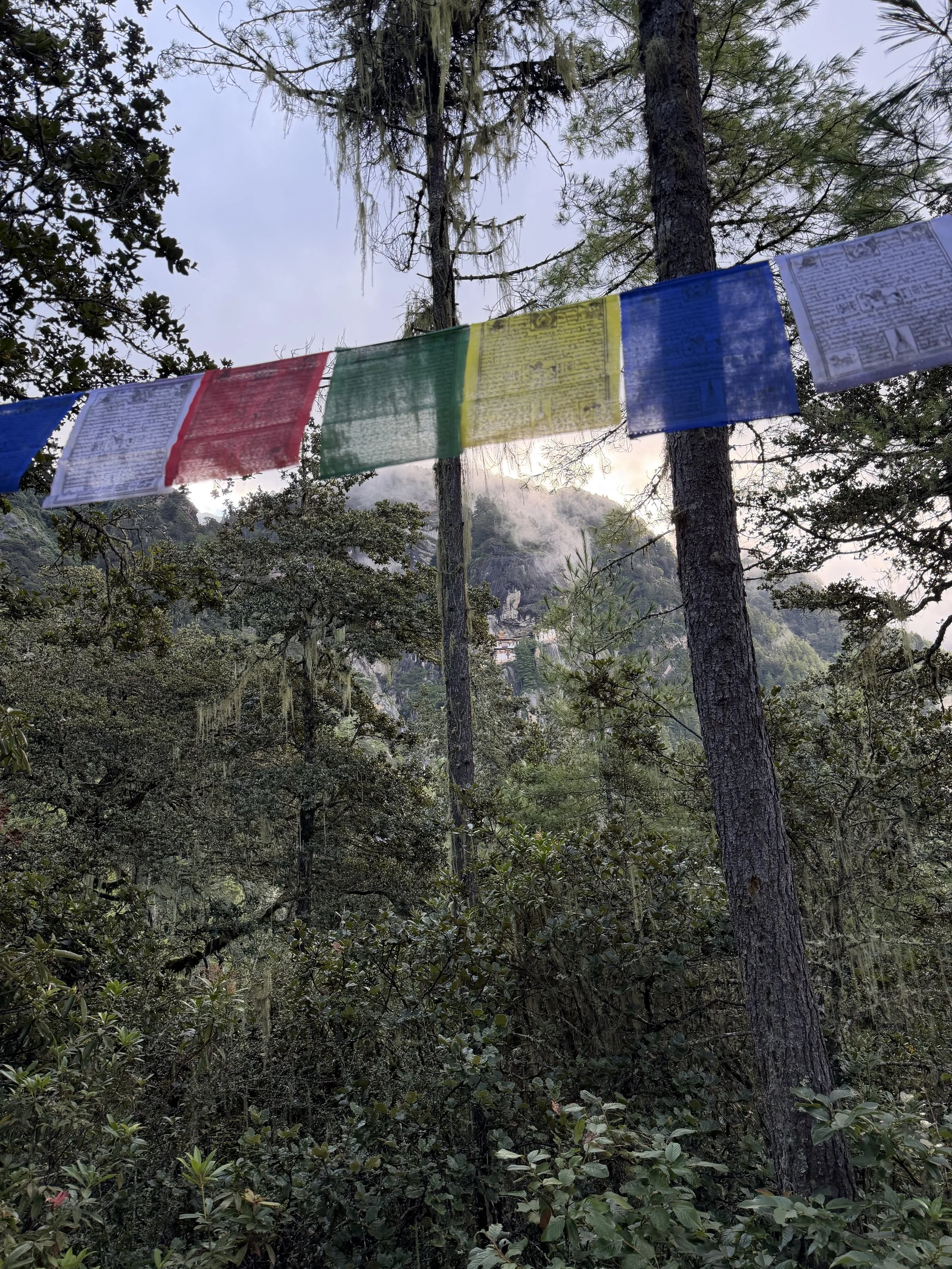
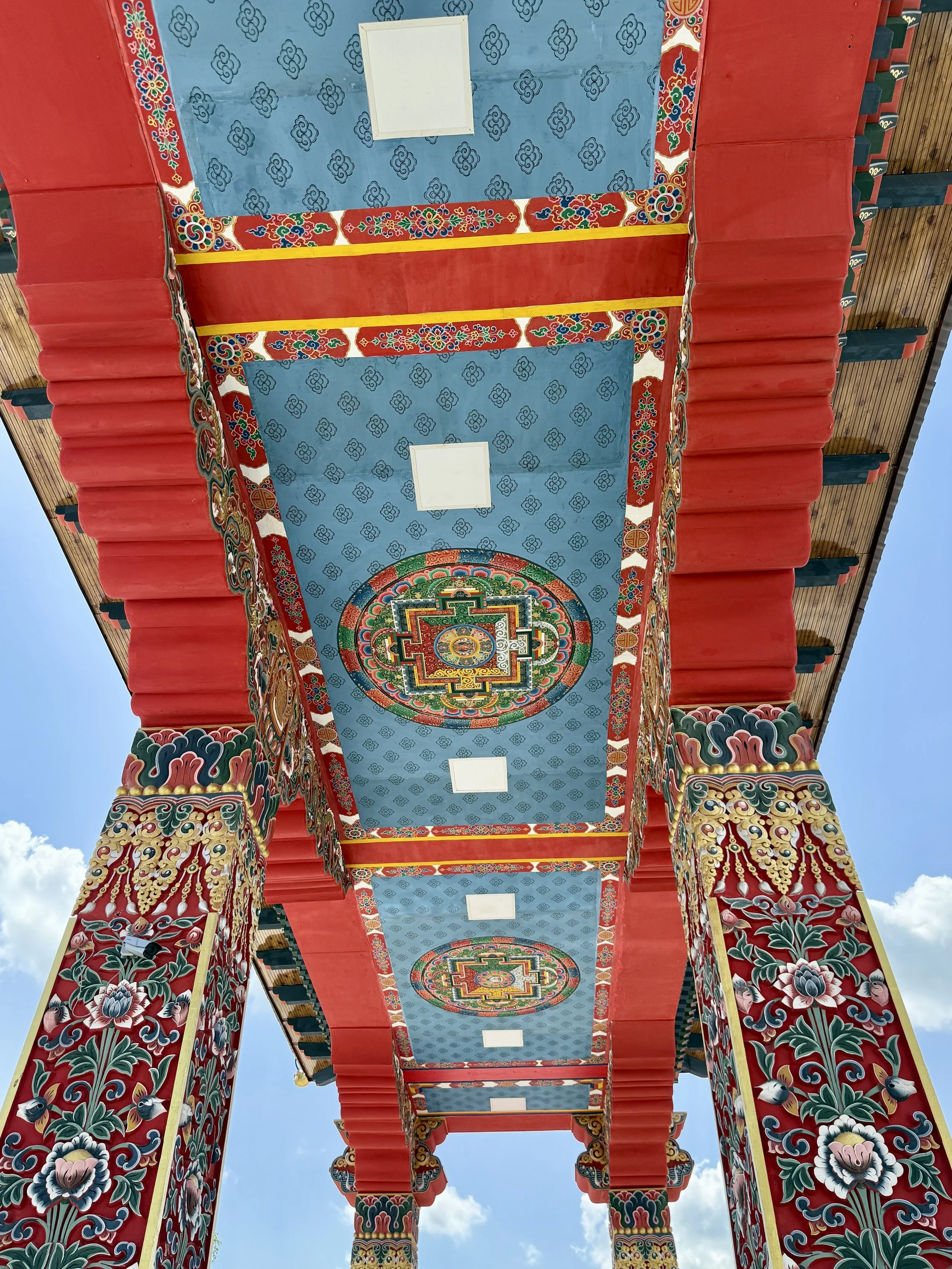
Time on site and travelling through Bhutan gave the team the opportunity to experience the landscape, architecture, materials, craft and visual language that make the country so distinctive. From the deep greens and muted tones of the landscape to the vivid reds, yellows, blues and intricate painted details of its architecture, color, pattern, texture and material are deeply embedded in the experience of place.
Timber, stone, painted surfaces, textiles, prayer flags and highly detailed ornamentation sit alongside dramatic mountains, forests and rivers. These contrasts, natural and crafted, quiet and vibrant, monumental and intricate, establish the visual framework for the work. They inform material choices, scale, color palettes and detailing, creating a dialogue between built elements and landscape.
For wayfinding designers, these observations matter. Scale, distance, views, movement and landmarks can be difficult to fully understand through a screen. Experiencing a place firsthand helps us consider not only where a sign might go, but how information should belong within its surroundings.
Our goal is not to import a wayfinding system into Bhutan, nor to create one that disappears into its surroundings. Instead, we are developing a simple, timeless and adaptable visual language that can remain consistent across the city. As landscapes, architecture and experiences change, the wayfinding becomes a familiar thread, recognizable wherever you are, while drawing from the character of Bhutan without competing with it.
With two visits to Bhutan now behind us, the project continues to move from broad strategy toward an increasingly detailed system.
The next stages will continue to explore how identity, orientation, information and storytelling can work together across the public realm, creating a system that helps people navigate an entirely new city while remaining connected to the character and culture of Bhutan.
There is still a great deal ahead, but that is what makes being part of GMC at this stage so exciting: we have the opportunity to think about wayfinding not simply as signage, but as part of how a new place becomes understandable, memorable and distinctly its own.